
What accuracy do you need? (mm vs cm explained)

Accuracy sounds technical. Abstract. Slightly dull.
Right up until something doesn’t fit, a line doesn’t land where it should, or a machine control model quietly introduces an error that multiplies across an entire site.
In surveying and construction, the difference between millimetres and centimetres isn’t academic — it’s commercial. Every project has a tipping point where precision either protects you… or quietly drains time and budget.
So before defaulting to “highest possible accuracy”, it’s worth asking a smarter question:
What level of accuracy actually serves the job?
Because the right answer isn’t always the smallest number — it’s the one that aligns with tolerance, risk, and outcome.
And that’s where real value lives.
GNSS vs Total Station: Which Should You Use?

Choosing between GNSS and Total Stations isn’t about which technology is better — it’s about which is right for your site conditions, accuracy requirements, and workflow. In this guide, we break down the real-world strengths of each system and explain when one clearly outperforms the other.
Construction Machine Control Basics: What You Need to Get Started
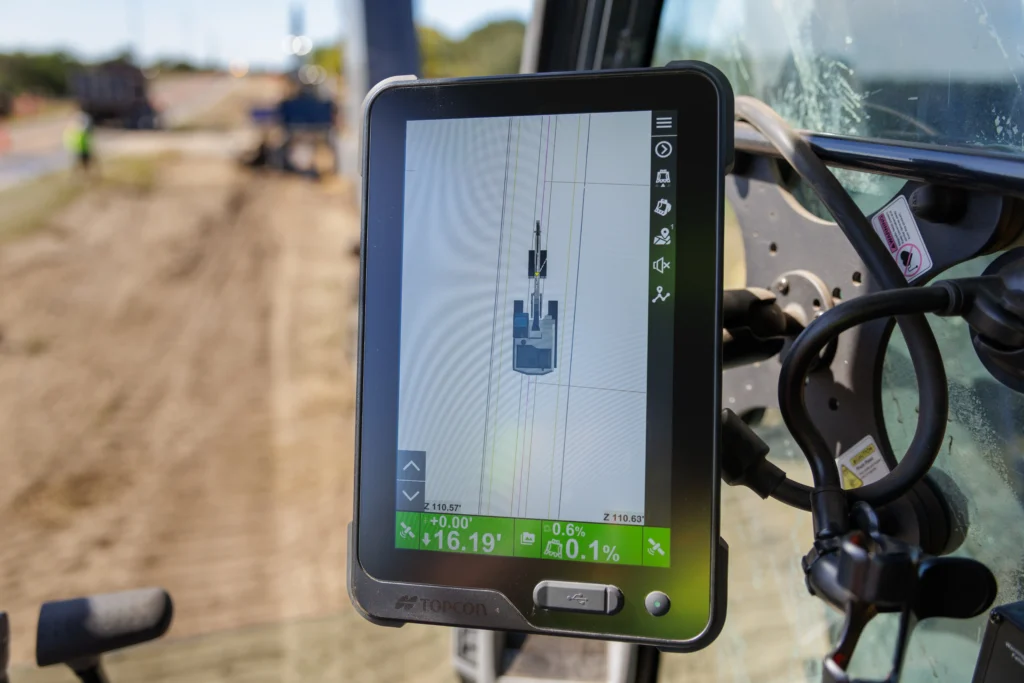
Construction machine control is quickly becoming a standard on modern sites, helping contractors work faster, more accurately, and with less rework. For businesses considering machine control for the first time, understanding what it is, how it works, and what’s actually required to get started can feel overwhelming. This guide breaks down the essentials — from hardware and positioning technology to installation, training, and whether 2D or 3D machine control is right for your projects — so you can make an informed decision with confidence.
Signs Your Laser Level Is Out of Calibration
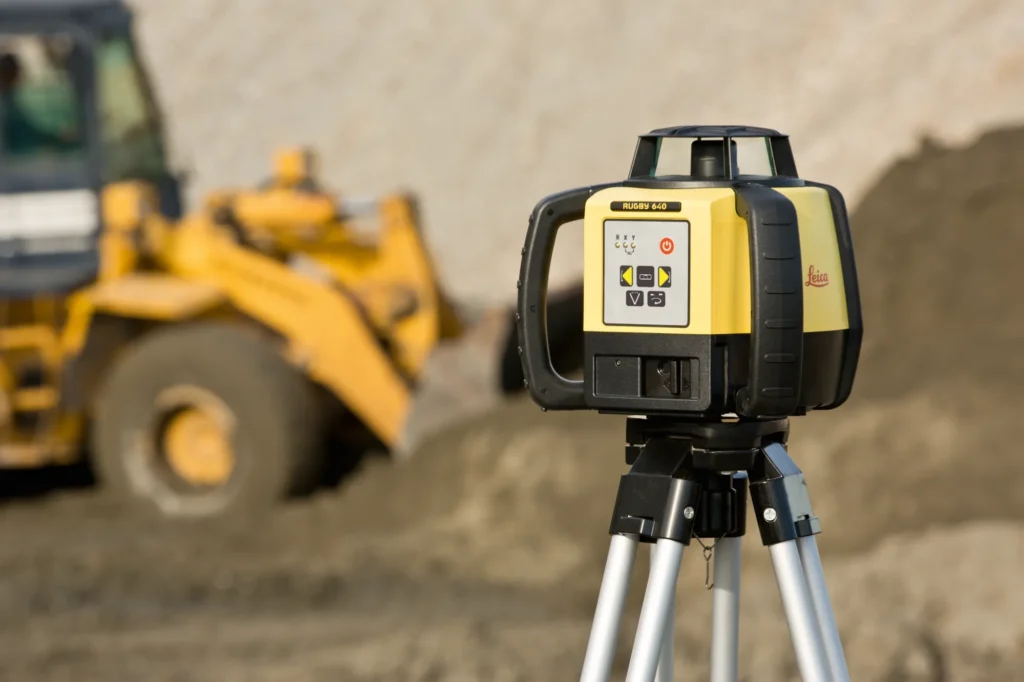
Laser levels are critical for accurate site work, but even small calibration issues can lead to costly errors. Learn the key signs your laser level may be out of calibration and when it’s time to get it checked.


